About the Society
The Royal Society of Miniature Artists, Sculptors and Gravers is the world’s foremost organisation dedicated to the centuries-old tradition of miniature art. Since our founding in 1896, we have championed an art form that demands extraordinary skill, infinite patience, and an unwavering commitment to detail.
Our History
The Society began its journey in May 1896 when founder Alyn Williams established The Society of Miniature Painters. That same year, our inaugural exhibition at The Gallery, 175 New Bond Street, London became the first exhibition devoted exclusively to contemporary miniatures—an immediate success that signalled the revival of this exquisite art form.
Our growing reputation earned royal recognition in 1904 when King Edward VII granted us a Royal Charter, transforming us into the Royal Miniature Society. This royal connection has endured through successive monarchs, and we are proud to count His Majesty King Charles III as our current Patron.
In 1926, reflecting the expanding scope of miniature art, King George V extended our remit by Royal Command to include sculptors and gravers, and we became the Royal Society of Miniature Painters, Sculptors and Gravers. To mark the Society’s growing importance, the President’s Jewel—a magnificent silver chain of office designed by Alfred Lyndhurst Pocock—was commissioned in 1920 and continues to be worn at formal functions today.
Distinguished Leadership
Throughout our history, the Society has been guided by exceptional artists and cultural figures. Our second president, Sir William Blake Richmond (1899-1907), exemplified the calibre of our leadership. A renowned painter, sculptor, and designer, Richmond was responsible for the spectacular mosaics in St Paul’s Cathedral and served as Slade Professor of Fine Art at Oxford University. His portraits graced the walls of society, capturing everyone from William Gladstone to Charles Darwin.
Founder Alyn Williams returned to lead the Society from 1908 to 1941, providing decades of steady guidance. More recent presidents have included Raymond Lister (1970-1980), Suzanne Lucas (1980-2004), and Elizabeth Meek MBE (2005-2013).

Sir William Blake Richmond
The Art of Miniature
Miniature painting traces its roots to medieval illuminated manuscripts, but flourished as a distinct art form in Tudor England as an intimate genre of portraiture. Masters like Hans Holbein the Younger, Nicholas Hilliard, Isaac Oliver, and Samuel Cooper pioneered the creation of exquisitely detailed portrait miniatures—tiny likenesses small enough to be worn in lockets, set into jewelry, or carried close to the heart.
These portable portraits served as the photographs of their age: tokens of affection exchanged between lovers, remembrances of absent family members, diplomatic gifts between courts, and personal treasures to be cherished in private moments. The miniature’s small scale made it uniquely personal and precious, transforming portraiture into something that could be literally held in one’s hand or worn against one’s skin.
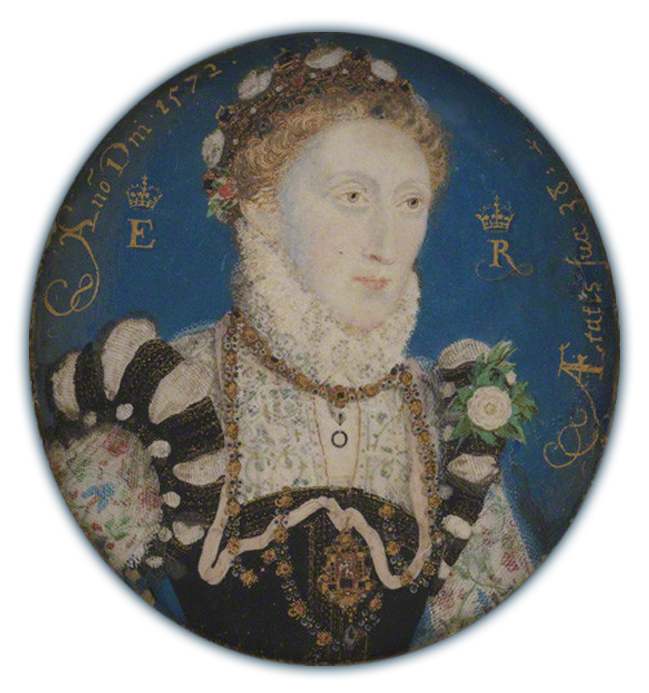
Portrait of Elizabeth I
by Nicholas Hilliard

Servant of Henry VIII
by Hans Holbein the Younger

King George IV
by Richard Cosway
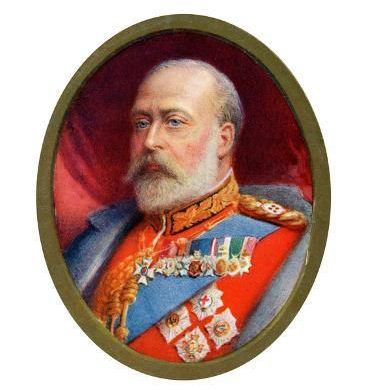
King Edward VII
by Alyn Williams
For centuries, miniature painting remained almost exclusively a portrait genre, demanding extraordinary technical skill to capture a recognizable likeness and convey character within a space often no larger than a few inches. Our Society’s mission is to esteem, protect, and practise this traditional 16th-century art, emphasising the infinite patience required for its fine techniques.
While portraiture remains central to the tradition, contemporary miniature artists have expanded the genre to embrace landscapes, still lifes, marine scenes, wildlife, and abstract works, alongside sculpture, carving, engraving, glass work, and silversmithing. This evolution demonstrates the enduring vitality of miniature art while honouring its historic roots in the portrait tradition.
Our Annual Exhibition
Each year, we present approximately 500 works at our annual exhibition, showcasing the extraordinary diversity of contemporary miniature art. While portraiture remains a cherished tradition, our members explore an impressive range of subjects including landscapes, still lifes, marine scenes, wildlife, and abstract works, alongside sculpture, carving, engraving, glass work, and silversmithing.
The Society celebrated its centenary in 1995 with a special exhibition at Westminster Central Hall, opened by Lord Gowrie, which featured the first-ever World Exhibition of Miniatures and a rare public display of our valuable Diploma Collection.
Recognition and Awards
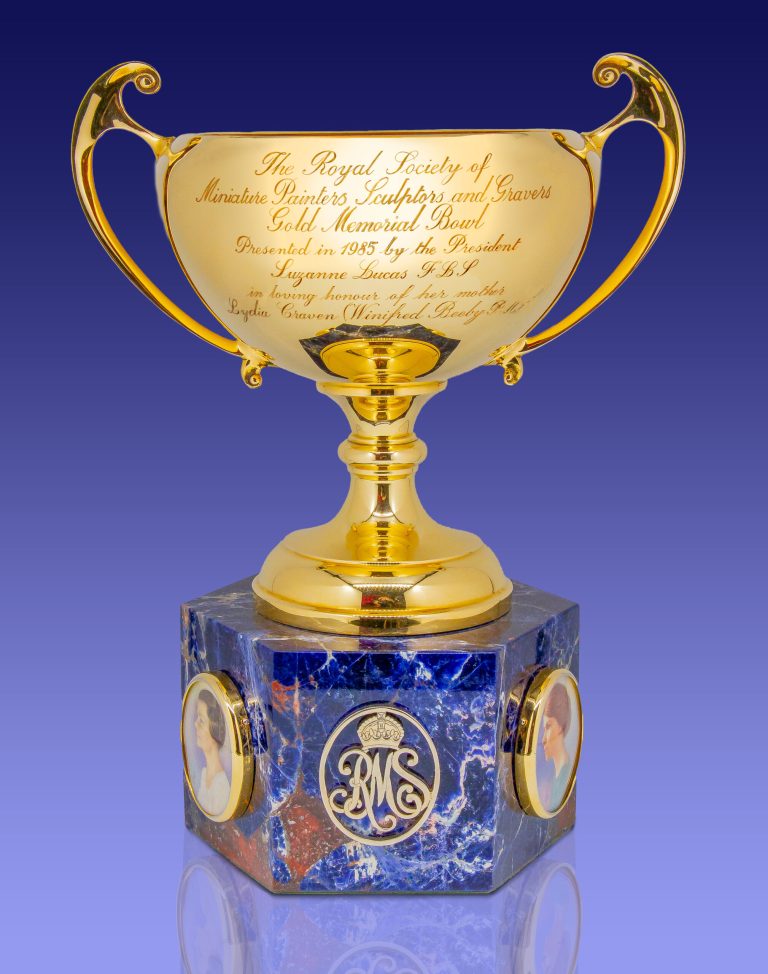
The Society’s Gold Memorial Bowl Award, established in 1985, stands as one of the highest accolades for miniature art worldwide. Crafted in 18-carat gold by royal jewellers Garrard & Co., the Bowl represents our commitment to recognising and encouraging excellence in this demanding art form.
Looking Forward
Interest in both historical and contemporary miniatures has experienced a remarkable resurgence in recent years. As distinguished art dealer and BBC Antiques Roadshow expert Philip Mould OBE has observed, miniatures represent “some of the most important records of the human visage, not only historically but artistically.” Our recent exhibitions have been among the most successful in the Society’s history, testament to the enduring appeal of these intimate works of art.
Whether you’re a collector, an aspiring miniaturist, or simply an admirer of fine craftsmanship, we invite you to discover the extraordinary world of miniature art through the Royal Society of Miniature Artists, Sculptors and Gravers.
Support Us
Our Society is only able to continue thanks to the generous donations of benefactors and sponsors. Donations are essential to us to secure the future success of the Royal Society of Miniature Painters, Sculptors and Gravers.
Donations from our benefactors fund our exhibitions, and also fund our student program ‘Young miniaturists’ ages 14-17 and 18-30, who are or intend to pursue careers in the arts. Your support can make a real difference to young people’s lives.
Please read on to learn more about the different ways you can help support the Society.